
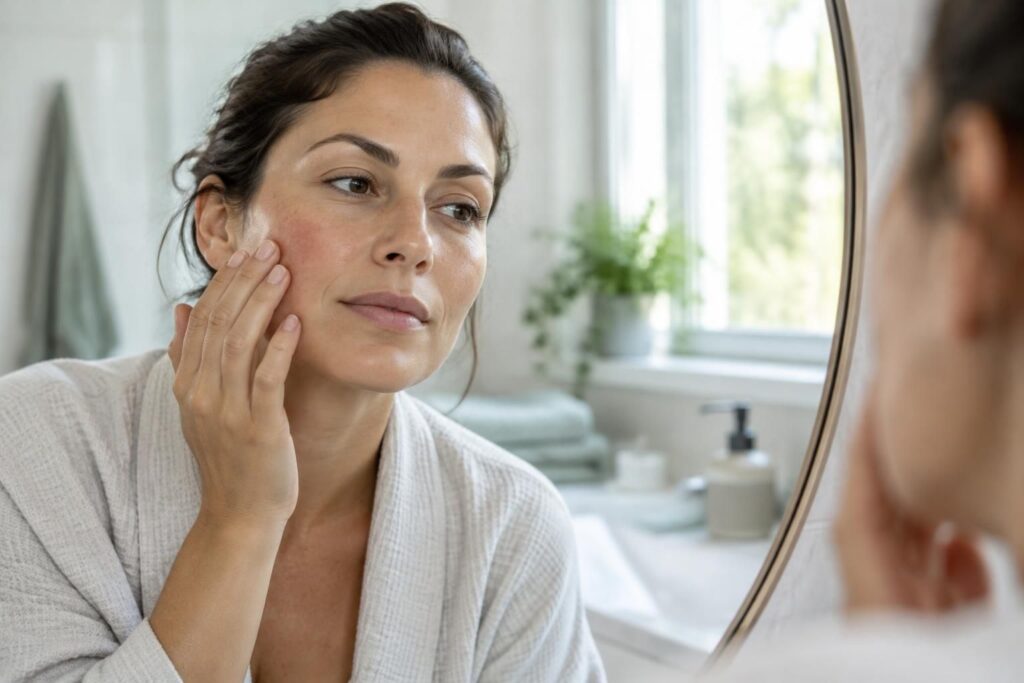
Hello, it’s Patrick.
A rapid change in your skin isn’t always cause for concern, but a sudden or persistent change, or one accompanied by other symptoms, warrants medical advice.
Your skin reacts to the sun, products, hormones, and your environment. Noticing what changes and how quickly can help distinguish a temporary reaction from skin problems that need particular attention.
Good habits to adopt
- Take a photo of the area in natural light so you can compare how it changes.
- Note the date it appeared and any changes you notice: size, color, shape, or sensation.
- Stop using a new product if skin irritation appeared after you started using it.
- Protect the area from the sun and avoid scratching or puncturing a lesion.
- Seek medical advice if the change progresses, persists, or is accompanied by pain, bleeding, or fever.
To put these signs into a broader perspective, you can read this article about body signals you shouldn’t ignore and learn how to better listen to the alerts your body may be sending.
Rapid skin changes: signs that matter
The trap is to automatically attribute every change to skin aging or a cosmetic product. Yet skin changes can have many causes: sun exposure, an allergic reaction, infection, medication, or hormonal changes.
A red patch after trying a new skincare product may settle down once you stop using it. By contrast, a spot on your skin that grows, changes color, or bleeds should be examined, especially if the change is recent.
| What you notice | Helpful action |
|---|---|
| Redness or itching after using a product | Stop using the product and monitor the changes. |
| A new spot or a changing mole | Take a photo and seek medical advice. |
| Rapid facial swelling or difficulty breathing | Call emergency services immediately. |
| A sore that does not heal or bleeds for no reason | Have it examined without delay. |
Here’s a practical example: after using an exfoliating treatment, someone notices localized redness that fades within a few days. This is more suggestive of irritation, but discomfort that spreads, worsens, or persists should not be left without follow-up. Duration and changes over time matter just as much as appearance.
When to see a dermatologist
See a doctor if a lesion changes rapidly, a sore does not heal, or skin symptoms are accompanied by significant pain, discharge, or feeling unwell. A widespread reaction, swelling of the mouth, or difficulty breathing requires urgent help.
For a pigmented spot, pay particular attention to whether it becomes asymmetrical, its edges change, several colors appear, or its diameter increases. These guidelines cannot diagnose a condition at home, but they can help you decide when to make an appointment.
Three steps to monitor a skin change
- Observe without touching it. Note the date, location, and how it feels. A photo with a size reference can make it easier to compare.
- Rule out possible irritants. Pause any new cosmetics and protect the area from the sun, without randomly applying harsh treatments.
- Choose the right level of care. Make an appointment if the change persists or progresses; call emergency services if you have difficulty breathing or rapid facial swelling.
Skincare can help support the skin barrier, but it is not a substitute for an examination when a sign is unusual. A rapid change deserves to be documented, not automatically feared or ignored.
Is skin that changes over a few days necessarily serious?
No. Irritation or a reaction to a product can appear quickly. However, a change that progresses, persists, bleeds, or is accompanied by significant symptoms warrants medical advice.
How should you monitor a spot on your skin?
Take a clear photo in natural light, note the date, and observe its shape, color, size, and how it changes. If the spot changes or bleeds, seek advice from a healthcare professional.
When should you seek emergency care?
Difficulty breathing, rapid swelling of the mouth or face, or a widespread skin reaction accompanied by feeling unwell requires urgent help.
I hope you found these tips helpful. See you soon! — Patrick