
Hello, it’s Patrick.
We still dismiss serious symptoms by attributing them too quickly to stress, fatigue or age, sometimes with serious consequences.
Fear of bothering others, lack of time and difficulty accessing care also delay treatment. Understanding these reflexes can help us act sooner without giving in to panic.
What to do right away
- Call emergency services if you experience intense chest pain, sudden difficulty breathing, loss of consciousness or signs of a stroke.
- Note when the symptoms started and how they change.
- Don’t stay alone if your condition deteriorates rapidly.
- Describe the facts accurately to the healthcare professional, without downplaying them or diagnosing yourself.
- Seek medical advice if a symptom persists, returns or gets worse.
Why serious symptoms continue to be dismissed
Serious symptoms are often dismissed with reassuring explanations: “It’s probably just stress,” “It’ll pass” or “I’ll see how I feel tomorrow.” These phrases may seem harmless, but they encourage people to underestimate the risks and can sometimes delay diagnosis.
Everyday pressures also play a role. Someone who fears losing a day’s work, paying for a consultation or not being taken seriously may put off asking for help. Health inequalities make these obstacles harder to overcome for some groups.
Medical denial and the fear of bothering others
Medical denial does not just mean a patient refusing to acknowledge a problem. It can also occur when a symptom is downplayed by those around them or not investigated thoroughly enough during an initial contact with the healthcare system.
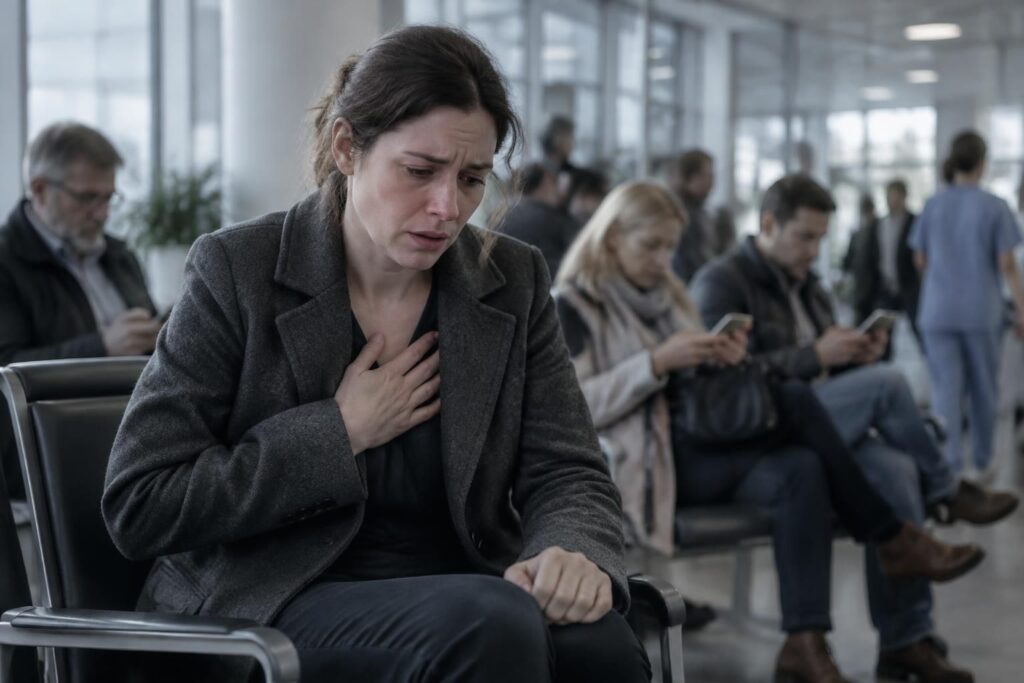
Imagine Nadia, who feels unusual tightness in her chest after a busy day. Those around her put it down to fatigue. If the pain is intense, new or accompanied by shortness of breath, waiting to “see if it passes” is not a prudent response: she should contact emergency services.
An unusual symptom deserves to be assessed, even if a harmless explanation seems plausible.
Symptoms you shouldn’t dismiss
A single sign does not always reveal its cause. What should guide your response is when it appears, how intense it is, how it changes and whether it occurs alongside other symptoms.
| Symptom observed | Why you should act | Recommended response |
|---|---|---|
| Intense pain or pressure in the chest | An emergency cause needs to be ruled out, especially if accompanied by sweating or shortness of breath. | Call emergency services, especially if the pain is new or persistent. |
| Asymmetrical face, weakness in one arm, difficulty speaking | These signs may indicate a stroke and require a rapid response. | Call emergency services immediately and note when the symptoms began. |
| Sudden difficulty breathing | Acute breathing difficulties can worsen rapidly. | Seek urgent medical help. |
| Sudden confusion or loss of consciousness | A sudden change in consciousness requires prompt assessment. | Call emergency services and follow their instructions. |
In France, call 15 or 112 to reach emergency services. If you’re unsure about a serious or sudden symptom, it’s better to call and describe what’s happening than to drive yourself.
Prevention and awareness: how to respond without panicking
Prevention does not mean treating every pain as an emergency. It relies on simple guidelines: recognize an unusual change, monitor how it develops and seek appropriate advice. This approach benefits public health without fueling anxiety.
Awareness efforts must also take real barriers to accessing care into account. Difficult schedules, distance, perceived cost or experiences of discrimination can delay a consultation. Our collective responsibility is to provide better information, listen without judgment and make health services more accessible.
- Take a symptom seriously if it is sudden, intense or very different from what you’re used to.
- Avoid reassuring someone with a guess if their condition is getting worse.
- Encourage them to seek medical advice if symptoms persist or get worse.
Reducing delays in treatment requires both individual action and a healthcare system that is attentive to inequalities.
What to do if you have a concerning symptom
When a situation seems serious, following three steps can help you share the right information and avoid wasting time.
- Look for signs of an emergency. If they come on suddenly, are intense or are accompanied by rapid deterioration, call 15 or 112.
- Describe the situation clearly. State the symptoms, when they began, how they have changed and any known treatments.
- Follow the instructions you receive. Stay with the person and don’t give them medication without appropriate advice.
When should you call emergency services?
Call 15 or 112 if you experience a sudden or serious symptom, such as significant difficulty breathing, loss of consciousness, intense chest pain or possible signs of a stroke.
What if the symptoms seem less serious?
Seek medical advice if they persist, return or get worse. A healthcare professional can assess the situation based on the symptoms and context.
How can you avoid dismissing what someone close to you is experiencing?
Listen without judgment, ask about when the symptoms began and how they have changed, then help them contact a professional if needed.
Does prevention mean seeing a doctor for every pain?
No. Prevention means recognizing unusual or concerning signs and seeking appropriate help, without trying to reach a medical conclusion yourself.
Thanks for reading! I’d love to hear what you think in the comments. — Patrick