
Table of contents:
- Choose a destination suited to your first nomadic trip
- Prepare your gear according to your stops and accommodation
- Adopt a flexible pace without improvising everything
- Enjoy nature while respecting the places you visit
- Plan a budget and a backup plan for unexpected events
- Meet local people respectfully
- Check your documents, insurance, and means of communication
- Conclusion and one last piece of advice
Introduction
Hi everyone, my name is Patrick B. To become a nomadic traveler, start with a short itinerary, a comprehensive budget, and equipment suited to your stops. You can travel from place to place by train, with a backpack, or by vehicle: there’s no need to head straight for a remote region. Here are eight pointers to help you prepare for your adventure without confusing freedom with constant improvisation.
Reading time, 5 minutes

1. Choose a destination suited to your first nomadic trip
Choosing your destination is crucial to having a memorable nomadic adventure. To start, choose a region where you understand the transport options and accommodation possibilities. For example, try three stops that are accessible by train, spending two nights in each place, before considering a long journey through a remote area. Make sure you choose a region that suits your level of experience and your ability to adapt to basic living conditions. Once you’ve made your choice, do some research to understand the local climate and customs. Check your vaccinations to take preventive care of your health
2. Prepare your gear according to your stops and accommodation
For a successful nomadic adventure, the gear you bring plays an essential role. The idea is to travel light while still being well equipped. A comfortable backpack, weather-appropriate clothing, a supply of water, and an offline navigation tool are good starting points. A tent and sleeping gear are only useful if you plan to camp; if you’re staying in accommodation, their weight is often unnecessary. Adjust distances to your fitness level and plan rest days. Choose lightweight, breathable, easy-to-wash clothes to adapt to different weather conditions and achieve perfect physical harmony with your surroundings. If you plan to do a lot of walking, invest in quality hiking boots. Finally, don’t forget a first-aid kit and a few multi-purpose tools. The key is to optimize your gear so that it’s both practical and lightweight.
3. Adopt a flexible pace without improvising everything
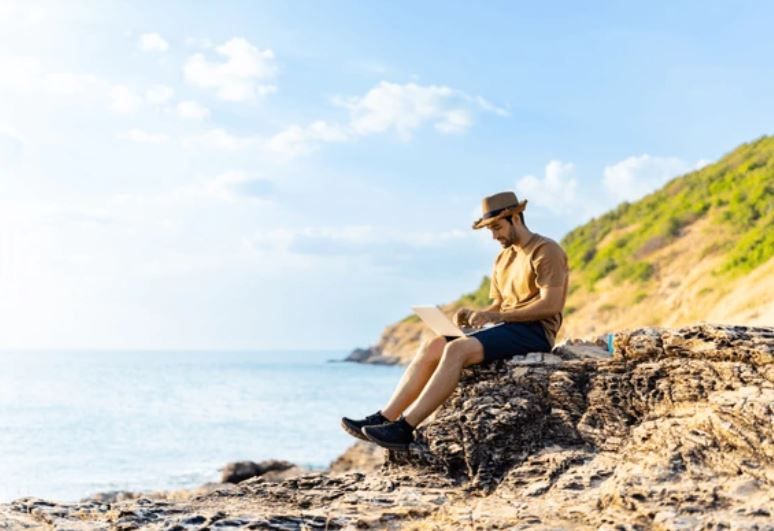
Nomadic travel is much more than just a trip; it’s a state of mind and a boost to your mental well-being. You need to be ready to step outside your comfort zone, accept the unknown, and embrace uncertainty. Traveling nomadically means giving up some comforts to live in harmony with nature and the cultures you encounter. You’ll need to learn to adapt to unexpected events and show resilience. The idea is to live in the present moment, without attachment to material possessions, so you can reconnect with what really matters. As a first step into nomadic life, you could get to know some European countries, perhaps by train
4. Enjoy nature while respecting the places you visit
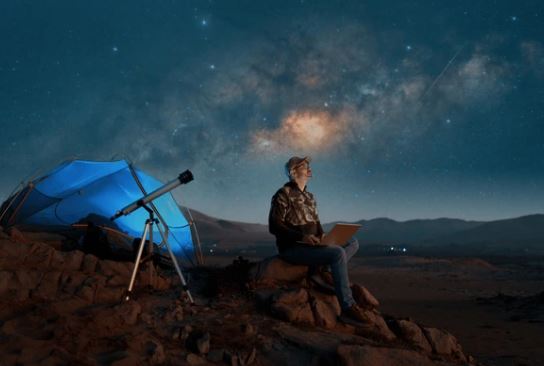
One of the greatest rewards of nomadic travel is the close connection you can form with nature. Whether you’re camping under the stars, walking through breathtaking landscapes, or listening to the sounds of wildlife, each moment brings you a little closer to the natural environment. To connect fully with nature, try to disconnect from technology as much as possible. Stick to authorized trails, observe wildlife from a distance, and find out about local rules for bivouacking. Keep a means of communication available, even if you limit your screen time. Immersing yourself in nature will help you recharge and regain your inner balance.
5. Plan a budget and a backup plan for unexpected events
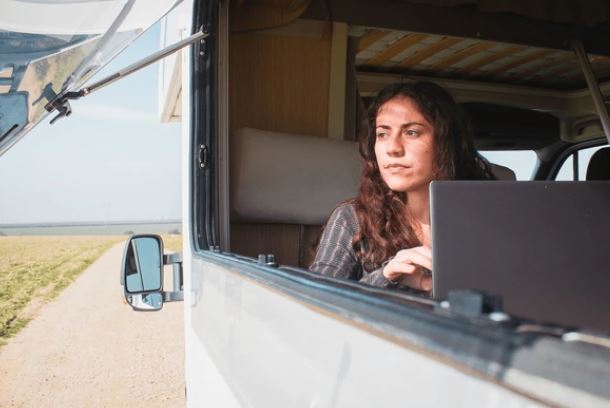
Traveling as a nomadic traveler often means dealing with unexpected events. Whether it’s a change in the weather, an unexpected encounter with wildlife, or a logistical problem, it’s essential to stay calm and adaptable. Mentally prepare yourself for the possibility of having to change your plans. Having a backup plan and keeping emergency resources on hand (such as extra provisions or a way to contact someone in an emergency) will help you handle these situations without panicking. Budget for transport, overnight stays, meals, communications, and a separate reserve for getting home or changing your plans. Hypothetical example: for six days, add six daily budgets to the intercity tickets and return journey, then check the actual fares for your dates. Advice on travel itineraries and budgets can help you organize these stages and compare expense categories.
6. Meet local people respectfully
One of the most rewarding aspects of nomadic travel is encountering local cultures. Take the time to learn about the traditions of the people you meet and always show respect for their customs. Learn a few words in the local language to build a more genuine connection. Taking part in local rituals or activities, such as sharing a meal or joining in festivities, will add a unique human dimension to your trip. Nomadic travel is also an adventure of the heart.
7. Check your documents, insurance, and means of communication
Safety is something you shouldn’t overlook on a nomadic adventure. Make sure you plan your itinerary in advance and let someone you trust know about your plans. Always bring a first-aid kit and check the safety recommendations for the region you’re visiting. When exploring remote areas, stay alert to your surroundings, especially wildlife and weather conditions. Before you leave, check the entry requirements and official recommendations for each country. Also check the duration of coverage, the territories, and the activities included in your policies. France Diplomatie distinguishes between medical insurance, assistance, and repatriation: one type of coverage does not automatically replace the others. Finally, an offline GPS app can help you find your way, but it won’t necessarily send a distress call without network coverage.
8. Conclusion and one last piece of advice
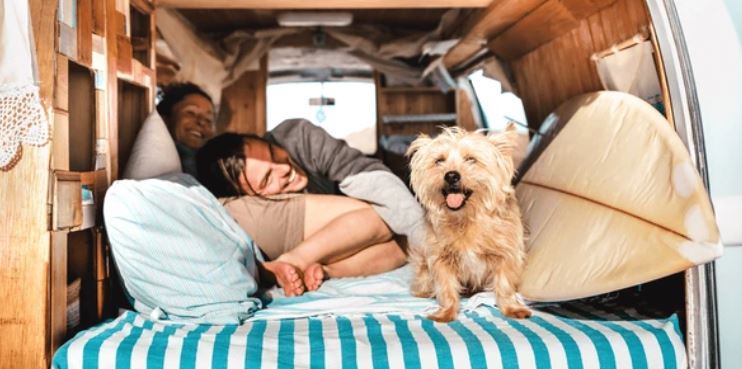
Nomadic travel lets you have a unique and authentic experience, far from traditional tourist routes. My final piece of advice: be flexible and open to the unknown. The beauty of this kind of travel lies in the unexpected and in the lessons you learn from the challenges you encounter. By cultivating a spirit of adventure and connecting with nature and other people, you’ll have a deeply rewarding experience. Take the time to savor every moment and let yourself be carried along by the adventure. Thank you for reading all the way to the end of this journey. See you soon. Patrick
PS ; leave a comment to share this article or a trip !