
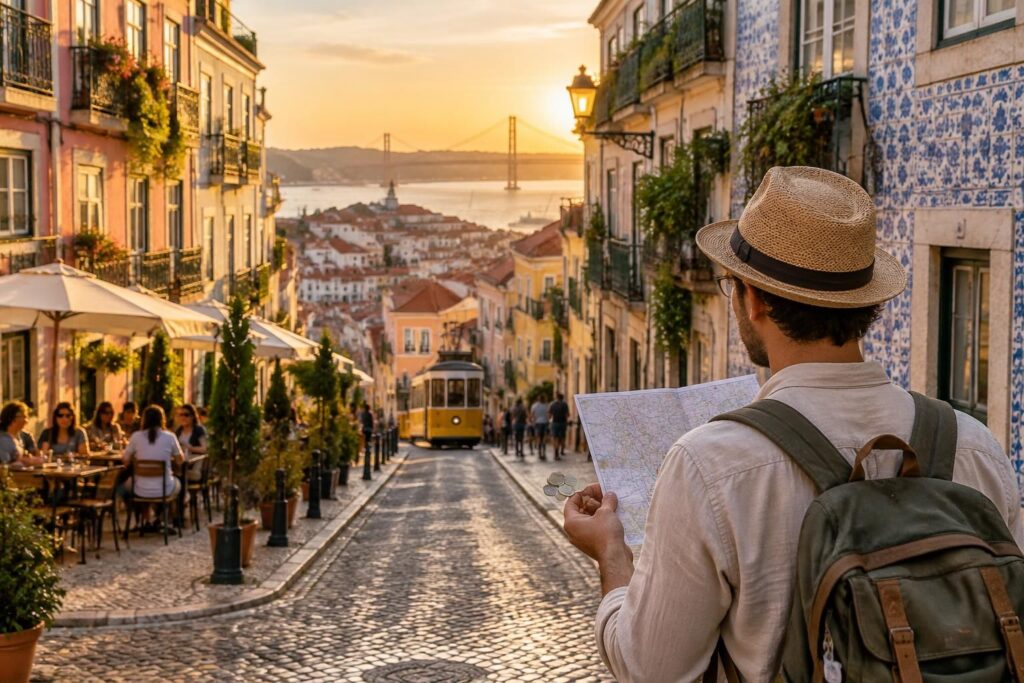
Hi, it’s Patrick. Yes, Rome is worth the money if you book early and plan to spend at least three days there so you can enjoy it without rushing. In 2026, the Italian capital remains a top holiday destination, rich in history, local cuisine and tourist activities. The cost of your stay can add up, especially in peak season, but it still offers good value for money with a well-planned budget.
Things to do right away
- Compare flights and trains, then check the schedules before booking.
- Choose accommodation near a metro station or in a central neighbourhood.
- Book major attractions in advance, especially the Colosseum and the Vatican Museums.
- Set aside half a day to wander around Trastevere or Villa Borghese.
- Plan a meal at a neighbourhood trattoria rather than near the busiest monuments.
To compare Rome with other travel ideas, also check out this overview of Rome among the destinations to watch and this selection of European cities to visit. These suggestions can help you decide whether the Italian capital really suits your interests and budget.
Is Rome worth the cost of a stay in 2026?
Rome draws visitors for a simple reason: its great monuments aren’t isolated in a tourist park. The Colosseum, the Pantheon, the Baroque piazzas and the narrow streets of the centre are part of a city where everyday life carries on all around you.
Rankings reported for 2026 place Rome among the most sought-after destinations, sometimes at the top. A ranking is an indicator, not a guarantee of a successful trip: the season, the neighbourhood you choose and the pace of your sightseeing matter just as much as the city’s reputation.
Expenses to budget for, with no unpleasant surprises
Your budget depends mainly on the time of year and the level of comfort you want. As a rough guide, budget around €100 to €250 per day per person for a stay including accommodation, meals and sightseeing, depending on your travel style and circumstances, excluding round-trip transport.
A well-located hotel often costs more, but it can reduce travel time and wasted time. A common mistake is to book far from the centre to save money, then make lots of trips by taxi or public transport.
| Expense | What to expect | How to manage your budget |
|---|---|---|
| Accommodation | Prices vary depending on the neighbourhood and season | Book early and check access to public transport |
| Meals | From a quick snack to a more expensive dinner | Get away from the heavily touristed squares |
| Tourist activities | Some sites require a pre-booked ticket | Choose a few priority paid attractions |
| Getting around | The centre is often best explored on foot | Group your visits by neighbourhood |
Experiences that make your trip worthwhile
Rome is just as enjoyable on foot as it is inside a museum. A well-planned route can take you from the Colosseum to the Forum and the Capitoline Hill, then leave the evening for Trastevere, where little squares and restaurants give the city a different pace.
Local cuisine is also part of the experience: pasta, artichokes when they’re in season, supplì and artisan gelato. To avoid paying top prices, check the menus before sitting down and walk a few streets away from the monuments. That little detour often makes a difference to the bill.
Two options depending on your travel style
If it’s your first visit, book three or four days: you’ll be able to see the must-sees without turning every day into a race. If you already know Rome, choose a less central neighbourhood, explore the markets and small galleries, or add a day trip to the surrounding area.
The city can also be a starting point for a wider trip around Italy. But if you mainly want to relax, a less busy and less crowded destination might suit you better: Rome is stimulating, sometimes noisy and very lively during peak periods.
Plan three days in Rome without rushing
- Step 1: book your transport and accommodation, then check entry requirements and site opening hours. Requirements for the United Kingdom are different; for Italy, simply check the official information before you leave.
- Step 2: choose no more than two major attractions per day and group them by area. Keep your tickets and confirmations on your phone, with a copy available offline.
- Step 3: leave some free time for meals, breaks and unexpected plans. A fountain, an open church or a quiet alley can become one of the best memories of your stay.
A successful city break isn’t measured by the number of monuments you tick off. In Rome, taking the time to sit at an outdoor café and watch the city is part of the experience too.
Is Rome the right choice for you?
Yes, if you’re looking for a European city where heritage, food and walks come together easily. The value for money is less appealing if you travel in the height of peak season, book late or want a quiet stay on a tight budget.
For a long weekend, compare the total cost of your stay rather than just the ticket price. By booking accommodation in advance, doing plenty of walking and choosing a few paid attractions, you can make the most of Rome without letting your budget get out of hand.
How many days should you plan for a visit to Rome?
Three days are enough to see the main attractions and a few neighbourhoods. Four days allow for a more relaxed pace, with more breaks and sightseeing.
Is Rome expensive for a tourist stay?
The cost varies depending on the season, accommodation and activities you choose. Booking early, eating away from the major monuments and exploring several neighbourhoods on foot can help reduce expenses.
When is the best time to visit Rome?
Spring and autumn are often pleasant for walking and sightseeing. In summer, the heat and crowds can make the days more demanding.
Can you visit Rome without a car?
Yes. Much of the centre can be explored on foot, and public transport covers longer journeys. For many trips, a car simply adds complications.
Thanks for reading; all the best, Patrick. P.S. Please leave me a comment at the bottom of the page, thanks.